
Handmade Mathematical Tiles
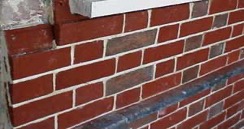
[vc_column_text css=”” text_align=”center” font_size=”18px”]From ingenious innovation to enduring legacy.[/vc_column_text][/vc_column_inner][/vc_row_inner][vc_row_inner content_placement=”middle”][vc_column_inner offset=”vc_col-lg-offset-1 vc_col-lg-10″][vc_column_text css=””]Mathematical tiles, though little-known outside architectural circles, represent a unique intersection of ingenuity, practicality and aesthetic charm in British building history.Mathematical tiles have been part of Britain’s architectural heritage since the early 1700’s. They were probably first introduced to update and make weathertight old timber framed buildings and there are many buildings with tile facades still in existence in the South East, particularly in the counties of Sussex and Kent, where one can see a variety of tiles including red, cream and black glazed. Mathematical tiles are not always easy to recognise and are often mistaken for conventional brickwork.[/vc_column_text]
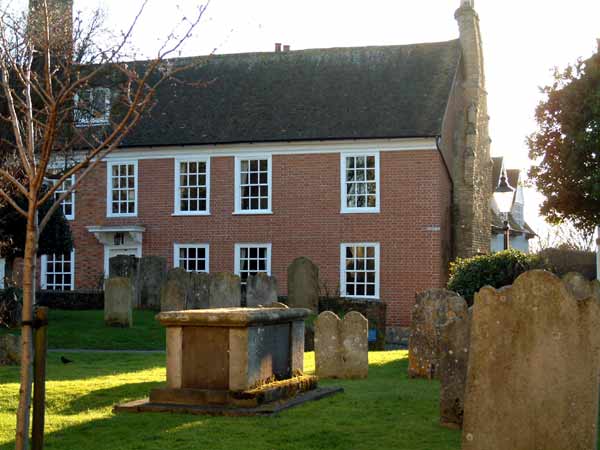
Made then by specialist firms, the tradition has been continued at ALDERSHAW where these tiles are still handmade in wooden moulds to match exactly the size shape and profile to ensure a perfect match.
One of the country’s leading manufacturers of Mathematical tiles, ALDERSHAW are responsible for the distinctive restoration work on many fine buildings along the whole of the South East, notably in Lewes, Brighton, Canterbury, Rye and indeed many beyond, Northants and into Yorkshire.
Mathematical tiles are not just a way of copying or restoring our architectural heritage but, being lightweight and versatile, have been widely used in the construction of new buildings, such as a Building Society in Doncaster.[/vc_column_text]
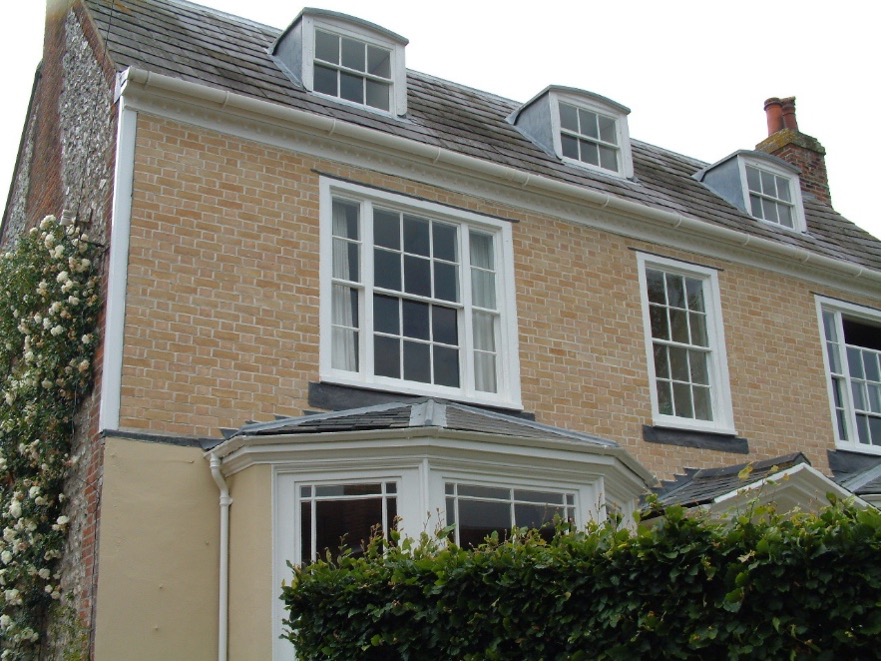
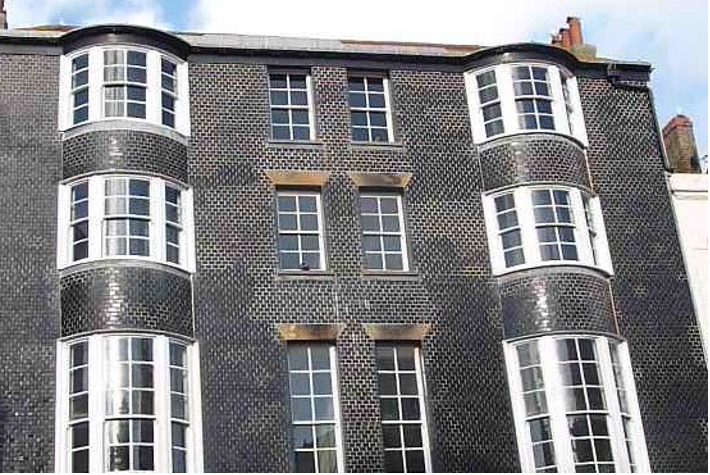
The modern development of the timber framed house has given a new use for mathematical tiles as they are lighter than brickwork and offer an opportunity for enhanced insulation, but still have a quality of traditional brickwork appearance.
Mathematical tiles are fast regaining popularity with architects and designers, but when matching existing tiling there can be wide local variations particularly in profile which is most important when repairing or matching, especially in colour, and a sample is requested where possible.
[/vc_column_text]