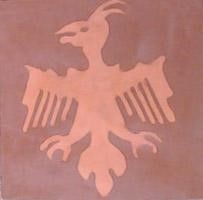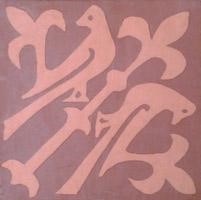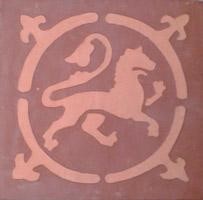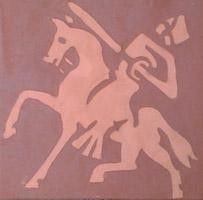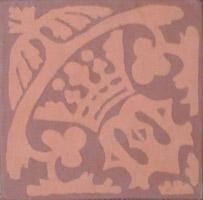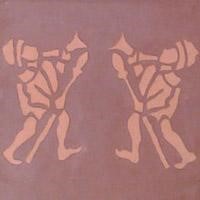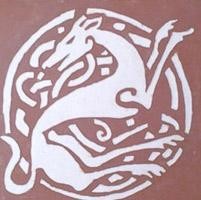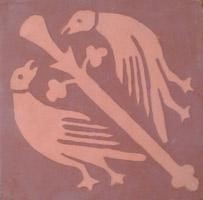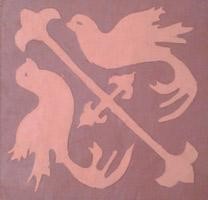

Handmade Encaustic Floor Tiles
[vc_column_text css=”” text_align=”center”]Encaustic tile production was perfected in Western Europe by the thirteenth century.[/vc_column_text][/vc_column_inner][/vc_row_inner][vc_row_inner content_placement=”middle”][vc_column_inner offset=”vc_col-lg-offset-1 vc_col-lg-10″][vc_column_text css=””]Many of the earliest encaustic tiles were probably made by medieval Monks embossing a pattern into the partly dried tile and then pouring or pressing another colour clay into the recess in either slip or plastic form.When dried to leather hard state the surface was planed off to create a sharp image, prior to completed drying and subsequent firing. The Victorians produced similar encaustic tiles by mechanically pressing. This produced identical and precise products time and time again; but which somehow lack the charm of the handmade article.[/vc_column_text][/vc_column_inner][/vc_row_inner]
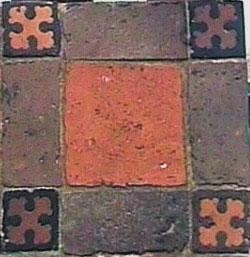
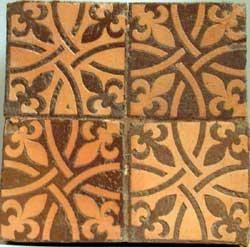
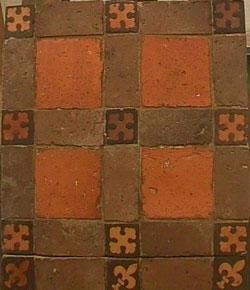
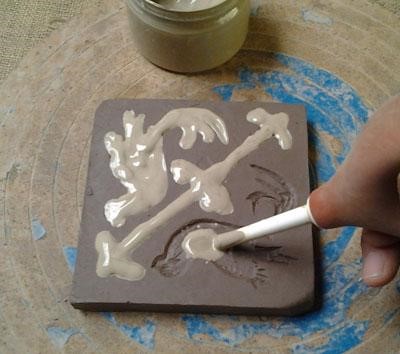
Medieval Encaustic Floor Tile Copies
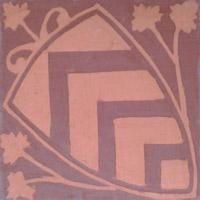
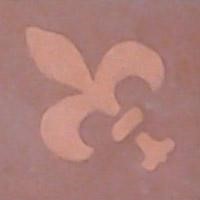
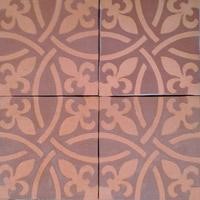
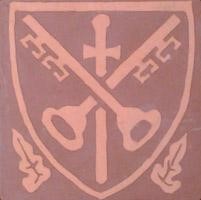
[vc_column_text css=”” text_align=”center”]Some craft manufacturers continue the process where the medieval Monks left off and so preserve the Truly Handmade appearance. [/vc_column_text][/vc_column_inner][/vc_row_inner][vc_row_inner content_placement=”middle”][vc_column_inner offset=”vc_col-lg-offset-1 vc_col-lg-10″][vc_column_text css=””]Wit examples based upon authentic medieval designs; they are hand cut or embossed.Essentially these are wall tiles, but they are equally at home used as floor tiles where they can provide a spectacular effect added at random to your chosen pattern; they can also be glazed with a transparent glaze if desired.[/vc_column_text][/vc_column_inner][/vc_row_inner]